high-rise apartments
Ask building management about entry approval, elevator reservations, parking and documentation. Provide unit-specific instructions and identify delicate flooring or fixtures before the appointment.
Kips Bay Maid Service
Plan regular upkeep, a detailed visit or a move-out clean. Choose your supply option and tell us which rooms need attention, then request availability for your preferred date.
Online self-booking · Choose your supplies · Confirm your visit
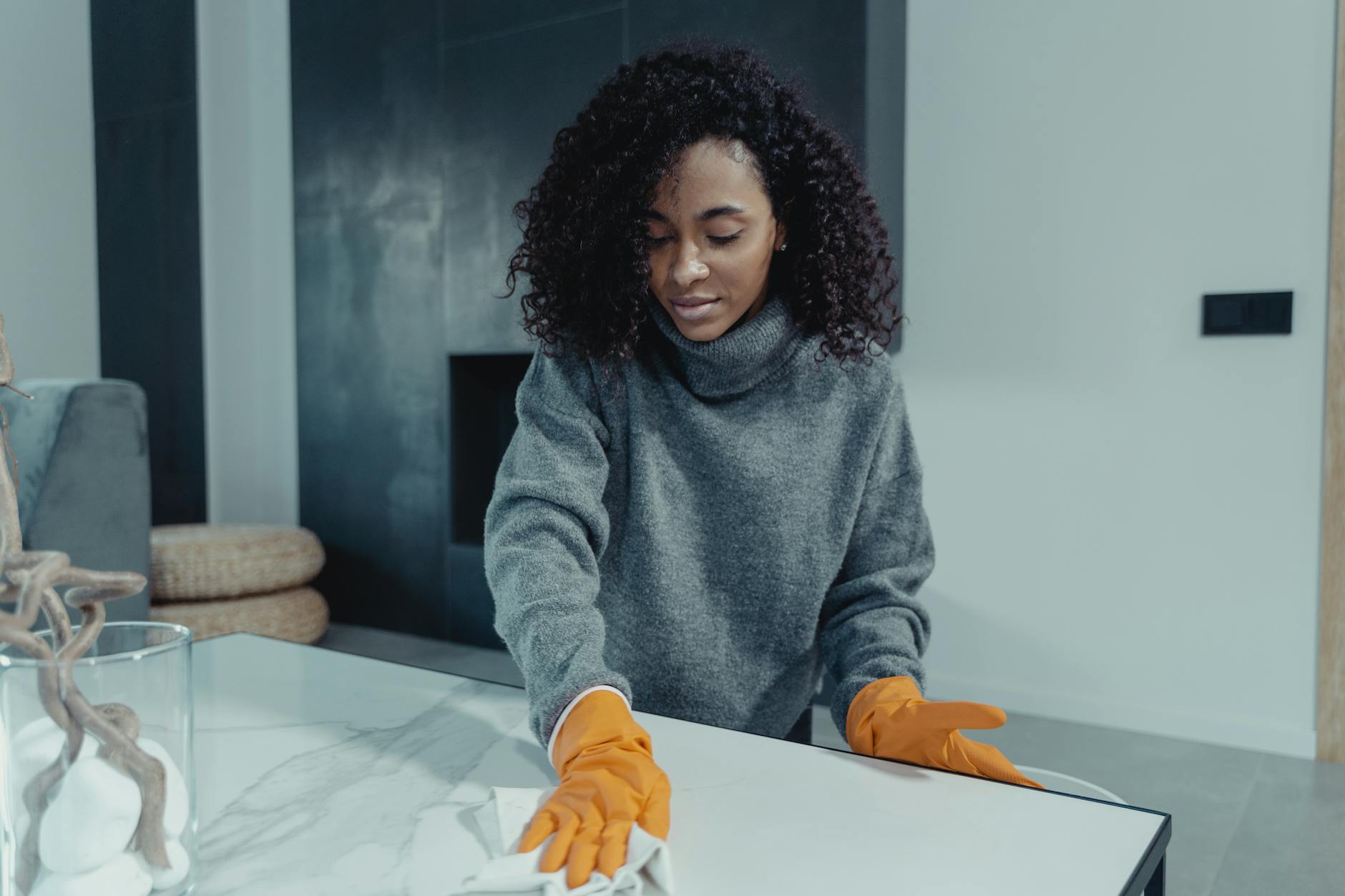
Choose the rooms and tasks that matter most for your Kips Bay home. Share your priorities when arranging the checklist and estimated cleaner-hours.
Discuss appliance interiors, cabinets and detailed tasks separately. Cleaning does not guarantee a tenancy deposit refund or repair existing damage.
Prepare for your visit with access instructions and a checklist suited to your home’s layout.
Ask building management about entry approval, elevator reservations, parking and documentation. Provide unit-specific instructions and identify delicate flooring or fixtures before the appointment.
Describe the actual layout, room use, access and delicate materials. Confirm the checklist and equipment needs for this property rather than assuming a standard list fits every home.
Explain stairs or elevator access, room use, storage limits and product preferences. Clear walkways and agree on reachable surfaces, kitchen and bathroom priorities before confirming time.
If you describe the location using a nearby reference such as NYU Langone Medical Center or Kips Bay Plaza, also provide the exact street address, unit and entry instructions. A landmark alone is not enough to confirm service.
Tell the operator about stairs, elevator reservations, parking, delicate surfaces, product restrictions, pets and off-limit rooms. Ask about any building documentation before confirming the visit.
Ask for the applicable hourly rate, supply option, team size and estimated cleaner-hours for your specific checklist. Review minimum duration, any eligible discount or adjustment, payment timing and the accepted appointment terms.
Confirm whether you will provide the supplies and equipment or request them with the visit. Explain product restrictions and material-care instructions.
Two cleaners working for two hours involve four cleaner-hours. A time estimate does not guarantee that every requested task fits into the appointment.
Confirm the requested date, arrival time and safe access. Sending a message or opening the booking page does not confirm an appointment.
The linked NYC operator currently publishes $59 per cleaner-hour with client supplies, $69 with supplies included and $89 for same-day ordinary cleaning. Two cleaner-hours at those base rates are $118, $138 and $178 before applicable discounts or adjustments. Confirm the rate and terms for the requested address.
A work surface, a private document and an accessible floor need different handling decisions. This guide helps you request ordinary home cleaning around a desk, equipment and the rooms you still need to use during the visit.
The NYC Maid is a New York City–based cleaning services company and the operator behind this page. Kips Bay Maid Service is a local service-information name, not a separate independent company, a neighborhood storefront or another review record. The business identified in the booking process is the company assessing the requested appointment and the household work it can accept.
Send an appointment request through the online booking form. Give the actual address, preferred timing, supply choice and practical task notes. Read the response after submitting. A request is not proof that a cleaner is available, a specific arrival is guaranteed or every surface in a working home has been accepted for handling.
A home workspace can include furniture, cables, documents and equipment in a small area. Cleaning the accepted accessible surfaces does not establish a service for equipment repair, internal device cleaning, data handling or document organization. Keep those responsibilities with the household or the appropriate specialist. The operator needs a recognizable ordinary checklist rather than an expectation that every workspace problem will be solved.
This guide uses hypothetical examples to show how preparation and permission affect a request. They are planning illustrations, not actual client stories, quotes or promised durations. Your property needs its own assessment under current terms and actual availability. Use the examples to describe the work more accurately, then rely on the operator’s confirmation for the arrangement.
You may want the bathroom and kitchen maintained while the desk stays untouched, or want accessible floor space near a prepared workspace addressed. State that purpose clearly. The room’s name does not tell the company whether it is available or which objects may be moved. A desk in a living room can have the same privacy restrictions as a separate office.
Do not assume the cleaner will infer the distinction from appearance. A paper stack might be active work rather than rubbish, and a cable may be connected to something you need running. The resident should make those decisions before the visit. Clear boundaries let the company assess useful household work without asking the person arriving to interpret an unfamiliar setup.
Start by dividing the workspace into accepted surfaces, areas to clean around and areas left untouched. You do not need a technical plan. Identify the desk top if it will be cleared, the accessible floor route and any shelf you want considered. Then state which equipment, papers or storage remain excluded. The distinction should be understandable to someone seeing the home for the first time.
If the workspace occupies a shared room, explain the boundary within that room. A living-room checklist does not automatically authorize handling everything on a work desk in the corner. Keep the work area’s restrictions visible in the booking notes. A short specific instruction is more useful than a general warning to be careful with everything.
If another resident uses the workspace, obtain their agreement before including it. One person’s booking does not automatically authorize entry into another person’s private work area or movement of their materials. Gather the actual user’s instructions and prepare the surfaces they agree may be cleaned. If permission is unclear, exclude the area until it can be resolved.
A representative admitting the cleaner should receive the same accepted checklist as the person who booked. They should not introduce another scope based on their own preferences. The contact role is useful for service communication, but it does not override another resident’s private boundary. Keep household permissions separate from the operator’s assessment of ordinary tasks.
Name the excluded feature and its location: a particular desk, closed cabinet or equipment stand. Explain whether the whole area is excluded or whether accessible adjacent floor work is requested. Do not rely only on a closed door or an unlabeled note. Visual signals can support the accepted instruction, but they should not be the company’s first indication of an important restriction.
If an exclusion creates an inaccessible area, acknowledge that in the requested result. Cleaning around a fixed setup is not the same as moving it to reach every surface. Do not review the visit as though the cleaner had permission to handle items that were specifically excluded. A useful boundary protects privacy while making the actual accessible checklist clear.
A desk used for a temporary project may become more crowded or need to remain active during a visit. Tell the operator if that changes access. Do not keep the old cleared-surface description because it once worked. The company needs the current condition to assess the arrangement, especially where the workspace shares a route to other accepted rooms.
The same applies after equipment or furniture is replaced. A new setup may change cable routes, surface materials or handling restrictions. Update the relevant note rather than add another conflicting version. The aim is a small accurate plan for the home you have now, not a history of every arrangement that existed before.
Decide whether the desk top will be cleared, partly accessible or untouched. If you want a surface cleaned, move private papers and personal items yourself before the visit. Choose where they will wait and keep them out of another accepted working area. The cleaner should not decide which document belongs in which folder or whether a note can be discarded.
A cleared desk and a desk full of active work are different conditions. Describe the one you will actually provide. Do not assume the cleaner can create access by sorting belongings while also completing the accepted household checklist. If you cannot prepare the surface, request a limited accessible task or exclude it rather than make an optimistic promise.
Keep identification, correspondence, financial material and other sensitive documents under your own handling arrangements. You do not need to explain their contents to establish an exclusion. A practical instruction can state that drawers remain closed and the desk is untouched while another area is cleaned. The company needs the functional boundary, not unnecessary private details about the work.
Do not leave a pile and assume the cleaner can distinguish rubbish from active material by appearance. Make disposal decisions yourself and separate actual waste clearly. If organizational assistance is needed, describe that as another question and ask whether an appropriate service exists. Ordinary surface cleaning should not become document sorting without a defined accepted arrangement.
Move pens, notebooks, chargers and personal accessories where you want them stored if the desk surface is included. Keep items needing special care under the control of the person who knows their requirements. Do not assume every object can be sprayed, wiped or repositioned because it rests on an accepted surface. The object and supporting furniture are separate handling questions.
If a few items must remain, identify them and describe whether cleaning around them is the intended task. Some parts may stay inaccessible under that restriction. Acknowledging the limit is more useful than expecting the result of a fully cleared surface. The operator can assess a smaller ordinary task when the preparation is described honestly.
A photograph may help you restore a personal arrangement after clearing the desk, but it should not silently create a task for the cleaner to reconstruct it. Unless a specific replacement task is accepted, the resident should return their work materials. This preserves the distinction between ordinary cleaning and organizing a setup whose details only the user understands.
After the appointment, note any preparation lesson: a better holding area, clearer desk exclusion or another route for cables. Keep the record practical and current. It should make future requests easier to describe without suggesting that one successful visit authorizes permanent handling of every item in the workspace.
Identify equipment that must stay untouched, connected or in position. The cleaner should not need to infer whether a device can be unplugged or moved. A general request to dust a room does not establish permission to change a technical setup. Obtain the user’s instructions and keep the accepted household work within a recognizable boundary.
For actual device care, follow the relevant manufacturer’s instructions or use an appropriate qualified service where needed. Do not treat an ordinary cleaning visit as a way to test an unfamiliar product on electronics. The operator may assess accessible surrounding surfaces while the equipment remains excluded. A clean room does not require the cleaner to take responsibility for internal devices.
Prepare a route that does not depend on disconnecting equipment. Identify any cable that should not be moved and keep loose personal items away from the accepted floor area. If the route remains obstructed, explain that condition. The company can assess cleaning around the setup or an exclusion, but it should not expect the person arriving to redesign a cable arrangement to reach the floor.
Do not assume that a label saying office cleaning includes technical handling. A home workspace can still be part of a household request with equipment excluded. Describe the actual ordinary task you want, such as an accessible cleared shelf or nearby floor, and keep specialized needs separate. Clear wording prevents a service label from carrying an unassessed technical responsibility.
A desk, stand or shelf may be a cleanable surface while the equipment on it remains untouched. Decide whether you will remove the equipment yourself before the appointment. If not, describe the accessible portion and any care instruction for the furniture. A product suitable for one material may not be appropriate for another surrounding finish.
Do not ask the cleaner to lift a full stand, move a heavy item or reach behind an active setup without assessment. Those are handling and access conditions to disclose, not hidden parts of ordinary dusting. The operator should evaluate what can be accommodated with the available arrangement and equipment before the visit is confirmed.
If a fixture or piece of furniture is damaged or unstable, tell the operator where it affects work. Keep repair separate from cleaning and contact the responsible person. A cleaner may address other accepted areas while the feature remains excluded. Do not ask for an improvised treatment to make an underlying fault less visible or assume ordinary cleaning can repair it.
Record the useful starting condition where practical, without inventing certainty about a problem you cannot diagnose. If a concern arises after the appointment, preserve a clear factual account and contact the operator. Keep technical investigation with an appropriate qualified service. The cleaning record should describe actual work and known limits rather than claim expertise it does not establish.
Map the path from the entrance to the accepted rooms and identify the floor area available around the workspace. Remove loose belongings from that route before the visit. If equipment, storage or furniture must stay fixed, say so. Cleaning accessible space around an item is different from moving it to reach below or behind. The operator needs the actual route rather than an assumption that every part of the room is open.
Choose a holding area for items moved from the floor. Keep it outside another area you want cleaned. In a compact home, an intentionally excluded storage area may be a practical compromise. Do not expect full access everywhere while belongings cover the accepted surfaces. The request should reflect the preparation you can actually provide.
Provide floor-care instructions where you have them and state uncertainty where the finish is unknown. Different materials can meet at a threshold, so one broad instruction may not fit the full route. Keep supplied products labeled and identify which surface they belong to. Do not ask the cleaner to test an unfamiliar treatment across a visible area to discover the material.
If a rug remains under a desk or chair, distinguish surface vacuuming from moving it and cleaning below. Heavy furniture and connected equipment can make movement unsuitable for the appointment. Ask about any additional handling explicitly. A routine floor request should not hide an unassessed lifting or relocation task.
Explain what you will move yourself and what must remain. An ordinary chair and a loaded storage unit are different handling conditions. Do not assume the cleaner can reposition everything because the floor appears on the checklist. The company needs a practical description to assess the accepted accessible work and any relevant exclusions.
If a surface behind a fixed item cannot be reached, record that limitation rather than review the visit as if it had been accessible. The household can prepare it for a later specific request if appropriate. A clear partial checklist is more useful than an undefined expectation that every hidden area will be addressed during a routine appointment.
Tell the operator which route the resident needs to use while cleaning occurs. Repeated movement through an area can affect the sequence and result. The company can assess a realistic arrangement when it knows the practical requirement. Do not assume the full checklist remains unchanged while the room is in continuous active use.
Follow the accepted method’s drying and handling instructions before returning rugs or equipment to an area. If a route must stay available without interruption, explain that before confirmation. The sequence may need to change or an area may remain excluded. A stated functional need is more useful than a surprise deadline introduced after floor work has begun.
Identify when each accepted room will actually be available. A person may be working in the desk area while other rooms remain accessible. Describe that condition rather than assume a general work-from-home note explains the whole schedule. The operator needs to know the functional restriction and whether the requested checklist can fit around it.
If a room must stay undisturbed, choose a clear exclusion or request a suitable different window. A vague instruction to be quiet is not a complete plan for a full cleaning appointment. Equipment and ordinary activity can create sound. Do not expect the cleaner to infer which call is private or whether a meeting ending late means the visit should extend.
State whether a time is a preference or a hard limit. A resident who can pause work has a different access arrangement from someone whose room must remain unavailable. The company should assess the real condition rather than discover a stronger restriction on arrival. You do not need to share the content of meetings; the practical window is the useful information.
Keep deadlines in the initial request. If a room must be usable at a particular time, say so before the appointment is assessed. The operator must evaluate actual availability and scope. A requested deadline alone does not reserve capacity or establish that every task can fit. Read the response and wait for confirmation before relying on the visit.
A sequence might place the bathroom first, keep the workspace excluded or leave a room for an agreed available window. Use only an arrangement the company has accepted. Do not give several conditional instructions that depend on the cleaner monitoring your work schedule throughout the day. The household should settle its own availability and provide one coherent plan.
If the schedule changes, contact the operator about the effect on the accepted work. Do not assume the cleaner can substitute a larger task elsewhere or return to a room after the agreed appointment ends. A revision may be possible, but it needs assessment. The person arriving should not be asked to independently negotiate duration and responsibilities while working.
If you will be on calls, decide who can answer service questions. That person needs the accepted checklist and authority for the relevant decision. A contact role does not grant permission to handle another person’s private documents or override a room exclusion. Give functional instructions clearly and keep personal decisions with the household.
If no one can be reached during a period, make the boundaries usable without immediate clarification. Unresolved tasks may need to remain excluded. Silence is not permission to open storage, discard belongings or try an unfamiliar method. A successful occupied-home arrangement depends on clear accepted limits, not on the cleaner guessing what the resident would probably want.
A desk area can combine different furniture and floor finishes. Identify materials where known and provide relevant manufacturer or installer instructions. Say where you are uncertain rather than invent a label. The operator can assess ordinary work or an exclusion while you obtain reliable guidance. A familiar room does not make every surface’s care requirements obvious to someone arriving for the first time.
Link restrictions to recognizable locations. A named desk surface or floor section is easier to identify than a broad instruction that everything is delicate. Explain whether the item is excluded or whether a particular ordinary task is requested under known instructions. Do not rely on a verbal warning alone when the restriction affects the company’s assessment of the appointment.
Polishing, stripping, refinishing and repairing are not the same as ordinary accessible cleaning. Avoid describing a request as restoration when you mean wiping a cleared surface. If a mark or damaged finish needs specialist attention, obtain appropriate guidance before requesting treatment. The cleaner should not be asked to experiment with increasingly aggressive products to make an uncertain material look new.
Existing loose components or unstable furniture should be identified where they limit access. Keep repair with the responsible person or service. Ordinary cleaning does not establish that the feature has been made sound. A safe exclusion can let other accepted work proceed without pretending the underlying problem belongs in the household checklist.
Decide whether a shelf will be emptied, cleaned around or excluded. Objects and their supporting surface are different handling questions. For artworks, antiques or specialist items, obtain suitable care instructions rather than assume dusting includes treatment of the object. The cleaner can leave an item untouched and address other accepted accessible surfaces without taking on conservation responsibilities.
If a personal arrangement must remain exact, manage it yourself. A photograph can help you replace objects after clearing the surface, but it should not silently create a cataloging or reconstruction task for the cleaner. State what will remain in place and acknowledge the resulting access limits. A clear partial task is preferable to an expectation that excluded objects may nevertheless be moved.
New equipment, furniture or flooring can change the practical care requirements. Review those details before repeating an old request. A prior appointment provides useful information, but it does not prove the same method suits a replacement material. Communicate changes through the operator’s booking process rather than assume a private household note updates the company’s instructions.
After a visit, keep the useful surface restrictions and preparation lessons concise. You do not need a full inventory of every possession. Focus on what actually affects ordinary cleaning. The record should make the next request easier to assess while preserving uncertainty honestly where the household still needs specialist guidance.
Read the supply choices in the current booking process and select the arrangement you want assessed. If the household provides products and equipment, confirm what the accepted task requires. An assortment of bottles is not necessarily a usable setup. The cleaner needs accessible labeled supplies appropriate to the work, not a cupboard where contents and intended surfaces are uncertain.
Keep products in original containers where possible and make instructions readable. Identify the surface a restriction concerns. Do not ask the cleaner to identify an unmarked product by smell or use it on trust. If you do not know its contents, leave it out and discuss an acceptable alternative before the appointment rather than make the decision a surprise on arrival.
Check basic operation of a supplied vacuum or other agreed item and keep relevant attachments together. Store the equipment where it can be accessed without opening private work storage. If it becomes unavailable, tell the operator promptly. A different supply arrangement or revised task may need assessment. The person arriving should not discover that the setup described in the request does not exist.
Explain stairs, narrow routes or other handling conditions relevant to equipment. Do not assume a supply option includes any access task at any property. Give the company the real working route so it can evaluate the request. If you can prepare the route, do so; if not, describe the limitation honestly rather than rely on improvisation.
If you require an unscented arrangement or avoidance of a named ingredient, state the restriction and ask whether it can be accommodated. Broad labels such as natural or green do not define a complete cleaning method or establish suitability for every finish. Product directions, care instructions and the accepted scope still matter.
Communicate sensitivity needs without expecting a medical assurance from ordinary cleaning. Obtain relevant guidance from an appropriate professional or manufacturer for questions beyond the service. Then give the operator the practical condition it must assess. If the requirement cannot be met, a narrower checklist or different suitable arrangement may be necessary.
Do not request mixed products or an improvised more aggressive method to remove an uncertain mark. Describe the condition and provide known care instructions. The operator should assess what ordinary task is appropriate for the material. If the desired result requires repair or specialist treatment, keep that question with the appropriate qualified service rather than force it into the cleaning appointment.
Record the useful setup after the first visit and update it when materials or products change. The goal is consistent preparation, not preserving an outdated method. A familiar household routine still needs accurate information about the current property. Important changes should be communicated through the operator’s actual process so the accepted arrangement remains understandable.
Provide the complete address, apartment identifier and correct entrance. State who will admit the cleaner or describe the authorized alternative accepted by the operator. If you will be on a call, do not assume you can answer the intercom at any moment. Make a real arrangement that matches your availability rather than leave entry dependent on interrupting work unpredictably.
Ask the building’s responsible contact about relevant service-visit rules. Procedures differ between properties, so do not rely on another building’s practice. If documentation, a specific route or a reservation is required, obtain the actual condition and give it to the operator early enough for review. The company must assess what it can accommodate; a resident should not promise compliance on its behalf.
Share credentials through an accepted private method rather than a public review or open post. Check the active hours of a temporary arrangement and explain arrival and departure steps. If a key is held by another person, obtain their agreement and define collection and return. A name in a booking note does not itself authorize someone to release access.
Identify a reachable person who can resolve an entry problem. A backup should have actual authority or access, not merely be another contact to call. If the arrangement changes, tell the operator promptly. Do not assume the cleaner can wait indefinitely or return later; the company’s appointment terms still apply and the revised arrangement may need assessment.
A friend, roommate or property representative admitting the cleaner should receive the confirmed scope and restrictions. They should know the workspace exclusion and any equipment boundary. Do not leave them to invent instructions based on what they would want in their own home. The operator needs one coherent version, and the person present should understand the limits of their authority.
If the representative notices a new task, they should use the operator’s communication process rather than independently expand the appointment. The same applies if they disagree with the household’s private-room restriction. Keep personal permissions with the resident responsible and scope changes with the company assessing the service. The cleaner should not be placed between competing instructions.
Explain how an accepted key is returned and which exit process applies. If a resident-controlled step is required, arrange that person at the end as well as the beginning. The cleaner should not have to interpret an unfamiliar property system or choose security settings without clear instructions. Keep the route available while equipment leaves.
Afterward, manage temporary permissions through the household’s appropriate process. Keep useful directions for a future request while limiting distribution of credentials. A successful visit does not mean a temporary code or key arrangement should remain indefinitely. The resident or authorized property contact controls ongoing access, while the cleaning record should retain only what supports a clear next appointment.
Preparation should support the accepted checklist. You do not need to reorganize the entire home before requesting ordinary cleaning. Decide which surfaces will be cleared, which will remain occupied and which areas stay excluded. This is particularly useful where one room serves several purposes. A desk can remain untouched while another prepared surface in the same room is considered.
Choose a stable holding location for displaced items and keep it outside the working route. Do not move papers from an accepted desk onto an accepted floor and expect both areas to stay accessible. A deliberately excluded holding area can be a practical compromise when space is limited. The request should reflect that choice honestly rather than imply full access throughout the home.
Read the accepted scope and check the household’s commitments. Locate care instructions, verify supplied equipment and confirm the entry contact. Resolve private-room permissions with the person responsible. Do not assume another resident has completed those steps. If preparation depends on a person’s action, obtain their agreement before describing the property as ready.
Make decisions about documents, personal items and waste yourself. The cleaner should not have to determine whether a note is active work, whether a box is empty or whether an object belongs to someone else. Separate retained belongings from actual rubbish. Ordinary cleaning should not depend on unresolved personal sorting disguised as a room task.
Before the visit, compare the description with the home as it stands. Are agreed surfaces accessible? Has a meeting made a room unavailable? Is the supplied product still the one identified in the request? If a material condition changed, contact the operator. Accurate updates are more useful than an optimistic checklist that no longer matches the property.
Use photographs where they clarify space or condition, while keeping sensitive material out of view. A photograph can show access but cannot establish every material or treatment. Add the task and known restriction in words. Do not treat sending an image as proof the company has accepted everything visible within it; the arrangement still needs confirmation.
If you are present, identify the accepted priority, supply location and important exclusions. A concise orientation should reinforce the booking notes, not introduce another set of tasks. If the scope genuinely needs to change, ask the operator to assess the revision. The cleaner should not be expected to independently negotiate a different appointment during the tour.
If you are unavailable under an accepted arrangement, leave matching instructions and remain reachable as agreed. Boundaries should work without immediate personal explanation. Do not let silence become assumed permission to open storage or alter a work setup. A clear prepared home can support a useful ordinary visit without requiring every room and possession to be part of the service.
Read the current booking terms, rates, supply choices, minimums and any applicable offer conditions. Do not rely on an old message or an estimate for another property. A room with a fixed active workspace has a different accessible checklist from the same room fully cleared. The proposal needs to be understood alongside the actual work rather than a room count alone.
If a team is proposed, ask how the number of cleaners, clock duration and total cleaner-hours relate to the estimate. As a mathematical illustration only, two people each working for two hours contribute four cleaner-hours. That is not a quote, service minimum or claim of availability. Confirm the actual arrangement through the operator’s current process.
If your limit is firm, identify the essential work and state the limit. The company can assess whether a suitable narrower arrangement is possible. It may also be unable to accommodate the requested scope. A clear answer before the visit is more useful than assuming an undefined amount of cleaning must fit because the household needs help.
Do not minimize condition to make the request sound smaller. Describe heavier work, access restrictions and additional interiors accurately. You can choose fewer areas or complete more preparation yourself, but the cleaner should not encounter a different task from the one assessed. An honest limited request can be useful without an unsupported promise that every household project will be addressed.
Read the operator’s response against your essential purpose. If the company asks a question or proposes another scope, resolve that difference before relying on the appointment. A response is not necessarily unconditional acceptance of every note you submitted. You need to know which work is actually agreed and which areas remain excluded.
Keep the confirmed version with any accepted update. If several messages contain subtly different room lists, clarify them into one usable arrangement. Share it with anyone present on the day. The cleaner should receive the same scope the resident expects, rather than be asked to choose among early proposals and informal later wishes.
If you want to add a room or task, contact the operator and explain whether it replaces optional work or expands the request. Time, supplies and later commitments may be affected. A casual instruction to the cleaner is not a substitute for the company’s assessment. Wait for agreement before treating the new task as accepted.
If access is reduced by work activity or belongings, communicate that too. Do not assume another larger task can automatically substitute for an unavailable area. A revised plan may be straightforward, but it still needs clear agreement. Accurate scope communication makes the appointment reviewable without expecting unlimited flexibility from the person arriving.
The cases below are planning illustrations, not actual clients, quoted prices or promised appointment durations. They show how preparation and room availability change a request. Your property needs its own assessment under current terms and actual availability. Use the examples to identify useful information rather than assume the same arrangement can be provided at your address.
A resident wants the kitchen, bathroom and accessible living-room floor addressed while working at a desk in the living room. They initially select the room without explaining the desk. A clearer request names the ordinary shared surfaces and states that papers, equipment and the desk itself remain untouched. It also identifies the floor route that will actually be available.
The resident clears personal objects from the route and makes the supply setup accessible. They do not expect the cleaner to move connected equipment or infer which documents can be discarded. The operator assesses the actual household checklist rather than a fully clear room that does not exist. The review later uses that same accepted boundary.
If the resident decides after arrival that the desk should also be cleaned, they ask the operator about a revision and prepare the surface if accepted. They do not treat the desk as a missed task when it was specifically excluded. The useful lesson is that a partial room can have a clear ordinary checklist without giving permission over every object within it.
A resident has a separate office and an uninterrupted call during the preferred window. The office should remain excluded rather than described as available for full cleaning. The request identifies the other rooms, the route and any functional noise restriction the operator needs to assess. It does not expect the cleaner to decide when the meeting is private or finished.
If the household needs quiet throughout the property, it asks about another suitable time rather than assume all work can happen silently. The operator can evaluate actual availability and scope. A requested time and a confirmed arrangement are different stages. The resident waits for confirmation before relying on the appointment.
Afterward, the resident records whether a different sequence would help another visit. A useful note might identify an earlier bathroom window or a better temporary storage area. The note does not reserve future flexibility. It simply helps make the next request more accurate when the household again asks the company to assess the current arrangement.
A resident wants an accessible desk surface cleaned during a broader household visit. They plan to remove papers and small objects themselves but have not yet done so. The request should state the preparation they can realistically complete and any known care instruction. It should not assume the cleaner will create access by sorting active work.
If the surface cannot be cleared before arrival, the resident updates the operator and asks about the effect on the checklist. The desk may remain excluded or be addressed only under a suitable limited arrangement. The original empty-surface description should not remain uncorrected while the resident expects the same result around a crowded setup.
The completion review concerns the accepted accessible surface, not organization of the items removed from it. The resident returns their own arrangement unless a particular replacement task was agreed. The example demonstrates why preparation and task scope belong together: a clear desk request is possible without transferring responsibility for the resident’s work materials.
A resident will be away and a roommate will admit the cleaner. The roommate needs the accepted checklist, workspace exclusion and supply location. Knowing the address is not enough. They should also understand whom to contact if a question arises and what decisions they are authorized to make.
The resident confirms the building access arrangement and gives the operator any actual requirement for review. They do not assume the roommate can secure approval from a desk or manager without authority. The company assesses the real entry process, and the person present receives the same confirmed version as the person who booked.
If the roommate prefers a different task order or wants extra work, they use the operator’s process rather than independently rewrite the appointment. Private work materials remain subject to the resident’s restrictions. The useful lesson is that delegation works when it transfers usable instructions and a limited role, not an undefined responsibility for whatever happens on the day.
A room previously used as spare space now contains a desk, shelving and connected equipment. Repeating the old description would hide the changed access. The resident identifies the fixed setup, prepares the reachable route and asks the operator to assess the ordinary accessible floor and surface tasks. The company needs the current property rather than a familiar room name.
The resident also reviews any new material-care instructions. A different desk finish or floor covering may not suit the old product. Where the method is uncertain, they say so and obtain guidance instead of asking the cleaner to test a treatment. The accepted request can exclude an uncertain feature while other ordinary work is considered.
After the visit, the household record is updated and conflicting old instructions are retired. The baseline remains useful because it reflects the actual home. A successful previous arrangement does not establish that every replacement setup is equivalent or that the same appointment automatically applies under changed conditions.
A resident’s working room contains papers and equipment across most surfaces. They want a more usable room but have not decided what to retain or where it belongs. A general cleaning appointment should not be used to transfer those personal decisions to the cleaner. The household first identifies which ordinary tasks are accessible now and which organization must happen separately.
A smaller request may focus on another prepared room while the resident resolves the workspace. If organizational assistance is needed, they ask about an appropriate service as a separate question. They do not assume ordinary cleaning includes document sorting or technical rearrangement because those activities would make the room easier to clean.
When the workspace is prepared, a later request can describe the accessible surfaces and restrictions. Future availability still needs confirmation. The example shows how a phased approach can be useful without pretending one visit solves every household problem. Clear ownership of decisions is part of defining ordinary work, not a limitation to conceal from the operator.
If interior glass or a mirror matters to the request, identify the actual surface, its reach and condition. “Do the windows” can imply screens, tracks, fixtures and exterior access beyond ordinary interior cleaning. The operator needs a specific task rather than a phrase that silently includes several different services. Keep difficult-height or external work separate for appropriate assessment.
Do not ask a cleaner to lean outside, stand on furniture or improvise a route to an awkward feature. Describe the access before scheduling and ask what ordinary work can be accommodated. A surface being visible from the room does not establish that it is safely reachable with the appointment’s available equipment.
Clear small personal objects from an accepted sill or mirror area yourself. Identify any blind, curtain or fixture that should remain untouched. If the access is blocked by a work setup, disclose the condition rather than assume the cleaner can disconnect or move it. The company may assess a narrower surface or exclude the task until suitable preparation is possible.
Share care instructions for coatings, backing and surrounding materials where known. Do not assume a product suitable for ordinary glass is appropriate for every nearby finish. State uncertainty honestly and obtain suitable guidance for specialist features. A cleaning deadline does not justify testing an unfamiliar treatment across valuable or uncertain materials.
A shelf supporting work displays or personal collections can be cleaned only under a clear preparation arrangement. Decide whether you will empty it or request work around fixed items. The cleaner should not infer that accepting a shelf means accepting treatment of every object on it. Keep specialist objects excluded unless an appropriate specific arrangement is actually accepted.
At review, compare the accessible agreed surface with the result. Scratches, damage and permanent marks are different from ordinary dirt. If you need additional detail later, request the actual task and preparation rather than assume every visible defect was included before. Clear boundaries make a future request more useful while protecting the distinction between cleaning and restoration.
Tell the operator who will be present and which functional needs affect access. You can identify a room that must remain available or a route that cannot be blocked without sharing unnecessary private information. The company needs the practical restriction to assess the sequence. Do not expect the cleaner to discover and coordinate those needs while completing an already agreed checklist.
Arrange supervision or care yourself for anyone who needs it. Ordinary household cleaning does not become childcare, eldercare or assistance merely because a person is present. A household can request a suitable cleaning arrangement while retaining responsibility for care. Keeping the roles clear prevents the appointment from acquiring unassessed duties on arrival.
Tell the operator about animals and identify where they will stay. Arrange appropriate supervision or containment yourself. Explain any door that must stay closed and room that will be unavailable. The cleaner should not have to improvise a pet plan while carrying equipment through a doorway or trying to respect a workspace exclusion.
Move bowls, toys and bedding from agreed working areas unless a defined handling task is accepted. If hair or another condition is central to the request, identify the surfaces involved. Floor work, upholstery and animal bedding are different tasks. Do not assume a general room request establishes specialist treatment or guarantees complete removal from every fabric.
Describe animal waste, significant water damage, suspected hazardous material or another specialist concern before requesting work in the affected area. Do not package it as ordinary maintenance. The company may limit or decline the task, and the household should arrange the appropriate qualified response for the underlying issue. Urgency does not change the nature of the condition.
After the appointment, follow the accepted method’s drying and handling instructions before people or animals return to a working area. Do not treat ordinary cleaning as a universal safety assurance for every individual circumstance. For questions beyond the service, obtain relevant advice from the appropriate professional or product manufacturer and communicate practical restrictions the operator must assess.
Choose who will review the work and make sure that person has the confirmed checklist. Begin with essential tasks and note any access limitation raised during the visit. The untouched desk is not a missed task if it was explicitly excluded. A concern about an agreed cleared surface is different and should be described on its own facts.
If you have a concern, identify the room, surface, accepted task and observed condition through the operator’s communication process. A photograph can help locate the issue while keeping private papers out of view. Do not assume a particular remedy or timetable before the company has reviewed it. Accurate information gives the operator something concrete to investigate or clarify.
A newly noticed interior or shelf is not automatically an omission. Ask the company to assess it as additional work if it was not included. If preparation prevented access, record how the next arrangement could improve that condition. Keeping the categories separate does not mean ignoring a genuine issue; it means describing the issue accurately enough for useful review.
For suspected damage, preserve a factual account and contact the operator rather than try several treatments yourself. Explain when it was noticed and what is known about the starting condition. Do not diagnose an unsupported cause. Keep relevant communication together and leave technical investigation to an appropriate qualified service where that is needed.
Keep practical lessons such as a clearer equipment exclusion, better holding area or more accurate room window. Retire instructions that no longer fit. The next request should describe the property as it is now, not repeat a previous arrangement regardless of changes. A concise record can make communication shorter without making it less accurate.
Read current terms when requesting another appointment. A successful visit does not reserve future availability, the same person or an unchanged estimate for a changed task. Explain what should repeat and what is different. The operator can then assess an ordinary arrangement based on real current conditions rather than assumptions carried forward from the past.
A completed accepted checklist does not mean every household project is resolved or every device has been serviced. Keep organization, repairs and specialist care on their appropriate separate lists. The useful result is knowing what ordinary work was accepted, what was accessible and what remains a different request. That clarity supports a practical next decision.
The record should remain proportionate. You do not need to track every ordinary action to understand the visit. Focus on meaningful tasks and restrictions that affect expectations. A clear small record can be more useful than a long history that mixes proposals, exclusions and completed work without showing which version the company actually accepted.
A useful sentence connects the location, task and restriction. It does not need to sound technical. The examples below are hypothetical wording exercises, not estimates or promises that the company will accept a particular arrangement. Use them to make the actual request recognizable while keeping its factual details accurate.
You might say: “Please assess the accessible floor and cleared shelf in the work area. The desk, papers, equipment and closed storage remain untouched.” That wording distinguishes ordinary surfaces from the setup you want protected. It also makes the review clearer, because the excluded desk cannot later be treated as an accepted task that was missed.
If you want the desk included, describe its actual preparation and known care instruction. Do not claim it will be empty unless the household can provide that condition. If only part will be accessible, say which part. The operator can assess a limited ordinary task more effectively than guess how much personal material the cleaner may move.
State the functional window or exclusion: “The work room will be unavailable during the proposed visit; please assess the kitchen, bathroom and accessible shared floor instead.” If a specific sequence is needed, ask whether it can be accommodated. Do not expect the cleaner to monitor the meeting schedule and decide when entry becomes appropriate.
If the whole home needs uninterrupted quiet, describe that restriction and ask about another suitable appointment. A general work-from-home label does not establish that every cleaning task can occur silently. Accurate wording makes the limitation visible before confirmation rather than leaving the company to discover a stronger condition on arrival.
Identify the actual items or areas. Importance is personal and cannot reliably be inferred from appearance. A closed cabinet, connected device or named document surface is a recognizable boundary. The cleaner should not be asked to determine which ordinary-looking object contains active work or which cable supports a device that must remain connected.
Prepare sensitive items yourself and keep the accepted working route clear. If the restriction leaves part of a surface inaccessible, acknowledge that limit. The company can assess useful household work without an invitation to guess at your setup. Clear permission is more practical than a broad warning whose meaning only the resident understands.
Describe the desk exclusion and actual accessible areas, then ask the operator to assess the request. A partial room can have a clear ordinary checklist. Do not assume the excluded setup may be moved to reach hidden space. Keep the boundary visible in the confirmed instructions and share it with anyone present.
Do not assume an ordinary household appointment does. Keep specialized device care with the relevant manufacturer’s instructions or an appropriate qualified service. Identify equipment that stays untouched and request the surrounding accessible surfaces separately. The operator needs a defined household task rather than an unassessed technical responsibility.
If you want a surface cleaned, handle private papers yourself or describe the limited accessible portion. Do not ask the cleaner to decide which material is rubbish or active work. Keep document organization and disposal under household control. An untouched desk can be excluded clearly while other accepted areas remain part of the request.
Tell the operator how the changed access affects the accepted checklist. Do not assume the cleaner can extend the appointment, return later or substitute a larger task automatically. The company must assess any revision under applicable terms. Keep the accepted update clear so the person working receives one coherent arrangement.
Use the service catalog to orient the request, then describe the actual tasks and access. Use the service-area directory for location information while providing the full address. Neither a category nor a local page reserves an appointment without confirmation.
Use The NYC Maid application form and provide actual experience, availability and a workable travel area. This local service page does not establish a vacancy or guarantee assignments. Confirm current opportunities, supply expectations and payment terms before accepting work; a customer-facing service price is not automatically worker compensation.
Save the request, operator confirmation and accepted revisions together. Identify included rooms, essential tasks, workspace exclusions, supply arrangement and entry process. Keep future ideas separate from confirmed work. The person present should be able to recognize the actual appointment without interpreting several different household messages.
Afterward, update the practical preparation lessons and retire outdated instructions. The record should describe the current home and work setup. It can make a future inquiry clearer, but it does not replace the company’s assessment or reserve another visit. The useful goal is ordinary household cleaning under understandable boundaries, with private work decisions and technical responsibilities kept in their proper place.
A photograph can help the operator understand the available floor route or the surface you want considered. Before taking it, decide what the image needs to show. The useful subject is the working space and condition, not the contents of private documents or screens. Move sensitive material yourself or choose a view that leaves it out while still showing the relevant access.
Add a short explanation of the task. An image of a desk may mean you want it untouched, want the cleared surface assessed or are asking about another arrangement. The company should not have to infer permission from the fact that an object appears in a picture. State the intended boundary in words and identify what will remain in place during the visit.
If you send a photograph taken when the area was clearer, explain the current difference. The operator needs the condition expected for the appointment, not only the most convenient view of the room. Likewise, a picture of boxes does not establish that they will be removed. State what you can realistically prepare and update the company if that condition changes.
A photograph cannot prove every material’s composition or every product’s suitability. Keep known care instructions available and state uncertainty where it remains. The image provides orientation, while the task description and operator’s confirmation establish the practical arrangement. Do not treat sending a picture as automatic acceptance of every visible surface or object.
Retain only the useful preparation information needed for the request. You do not need a detailed image archive of the home to describe ordinary cleaning. A concise clear note may be enough where the surface and access are straightforward. Use pictures to resolve an actual question rather than add private information that does not help assess the appointment.
If another resident’s workspace appears in a photo, settle their permission and handling restrictions before using it to request work. A picture is not consent to enter or move their belongings. Keep the household’s private decisions separate from the company’s assessment of ordinary tasks. This makes the request more accurate without asking the cleaner to interpret personal relationships or authority.
A temporary project can leave materials, packaging and equipment across a room. Before requesting a reset, identify which personal decisions must happen first. The resident should decide what is retained, what is rubbish and which objects need specialist handling. Ordinary cleaning should not depend on the cleaner determining the status of unfamiliar work material.
Separate the preparation stage from the actual cleaning list. You may clear a table and route, then ask the operator to assess those accessible surfaces. If the area will remain partly occupied, describe that condition honestly. Do not call the room empty because the project is finished while materials still cover much of the intended working space.
If the project involved an unusual residue or a condition beyond ordinary household dirt, disclose it before requesting service. The operator may need to limit or decline the task. Do not assume a home-cleaning category accepts every material produced in a home. Arrange suitable qualified assistance for specialist concerns instead of leaving them to be discovered after arrival.
Similarly, repairs, technical maintenance and equipment changes remain separate questions. A cleaner can assess agreed accessible surfaces without accepting responsibility for the project’s tools or internal devices. Name the ordinary result you want and the items that stay untouched. The company should be able to distinguish the cleaning request from the work that created the room’s current condition.
If the room must return to active use by a firm time, explain the deadline in the initial request. The operator must assess actual availability, preparation and scope. Do not assume the task becomes smaller because a new project starts soon. A clear purpose and realistic access window give the company something it can evaluate without promising an outcome before confirmation.
Afterward, return your own setup unless a defined replacement task was accepted. Keep useful preparation lessons for another occasion, such as a better holding area or clearer equipment exclusion. Do not convert one completed reset into an assumption that future projects create the same task. Describe each new condition accurately when asking the company to assess another visit.
Read the notes as though you had not seen the property. Can you identify the accepted purpose, accessible areas and private-work boundaries without guessing? Is the entry contact actually available? Are any timing or building requirements still pending? Name uncertainty where it remains rather than let several separate assumptions become one confident statement that the home is ready.
Remove information that does not help assess the appointment, but keep critical restrictions visible. A long personal narrative can bury a desk exclusion or an important access limit. The operator needs a practical request it can review, not a history of the household. Retain the company’s response, resolve clarification and share the final relevant instructions with whoever will be present.
Send the exact address, current condition, priorities and preferred date. The booking operator must confirm coverage, access, scope and appointment availability.
Tell the operator your preference and schedule. Cleaner assignments and appointment times depend on availability and must be confirmed.
Mention appliance and cabinet interiors, delicate finishes, high or difficult access and any heavy furniture. Separate ordinary cleaning from repairs, exterior work and specialist services.
No. Ordinary cleaning does not provide sewage cleanup, mold remediation, flood or fire restoration, crime-scene cleaning or biohazard removal. Contact the appropriate emergency service, property manager or qualified specialist for those conditions.
Contact the booking operator with the visit date, agreed checklist and the specific concern. Do not assume a refund, repeat visit or insurance outcome; review the applicable appointment terms.
Contact the booking operator about your own completed visit with its date, agreed checklist and the specific feedback.
Email Appointment FeedbackSend the address, priority tasks and preferred date. Wait for the operator to confirm the scope, estimate, access and appointment terms.
hi@thenycmaid.comBooking InformationThe NYC Maid — Booking Operator